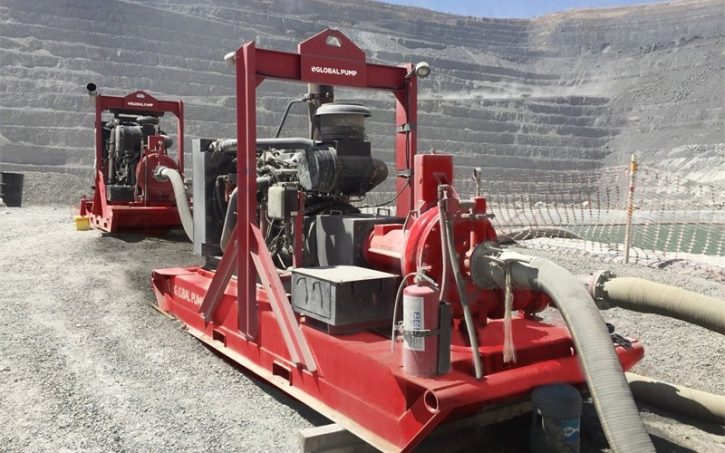
What are industrial hoses used for

1. Fluid and Chemical Transfer in Manufacturing Industrial hose serves as the backbone of fluid movement in factories. It transports oils, coolants, and lubricants to machinery. Chemical-resistant industrial hose carries acids, solvents and alkalis safely in chemical plants. Food-grade industrial hose moves edible oils, syrups, or beverages in food processing. Because it meets FDA/ISO standards…

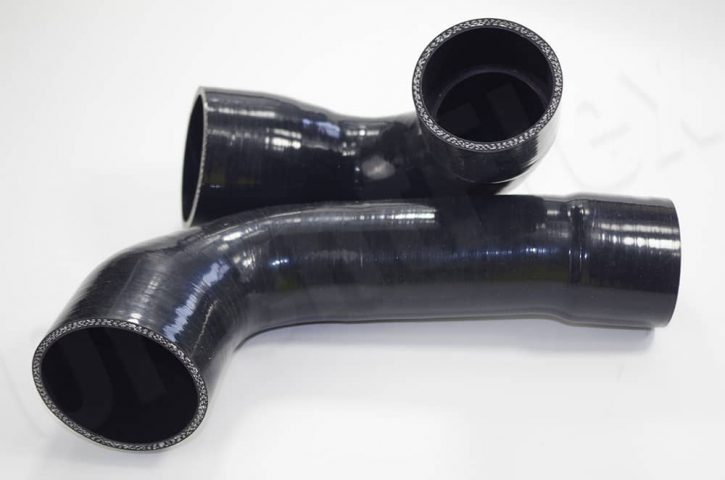
Precautions to do sewer jetting work

1. Inspect Sewer Jetting Hose Thoroughly Before Use Check the sewer jetting hose for cracks, leaks, or abrasions. Look for damaged couplings or weakened reinforcement layers. Replace worn sewer jetting hoses immediately. Because they risk rupture under high pressure. Ensure the hose’s pressure rating matches your jetter’s output. 2. Wear Full Personal Protective Equipment Sewer…

Why does radiator hose collapse when cold

1. Vacuum Buildup from a Faulty Radiator Cap The radiator cap regulates pressure in the cooling system. A worn or damaged cap fails to release vacuum as the engine cools. This vacuum pulls inward on the radiator hose, causing it to collapse. Test the cap’s pressure rating. Then replace it if it doesn’t hold the…

Key Precautions for Using a Peristaltic Pump Hose

Key Precautions for Using a Peristaltic Pump Hose A peristaltic pump hose‘s performance depends on proper use. Follow these precautions to avoid damage, leaks, or inefficiency, while maximizing the hose’s lifespan. Match the Peristaltic Pump Hose to Fluid Properties First, select a hose compatible with your fluid. Use chemical-resistant peristaltic pump hoses (e.g., PTFE, silicone)…