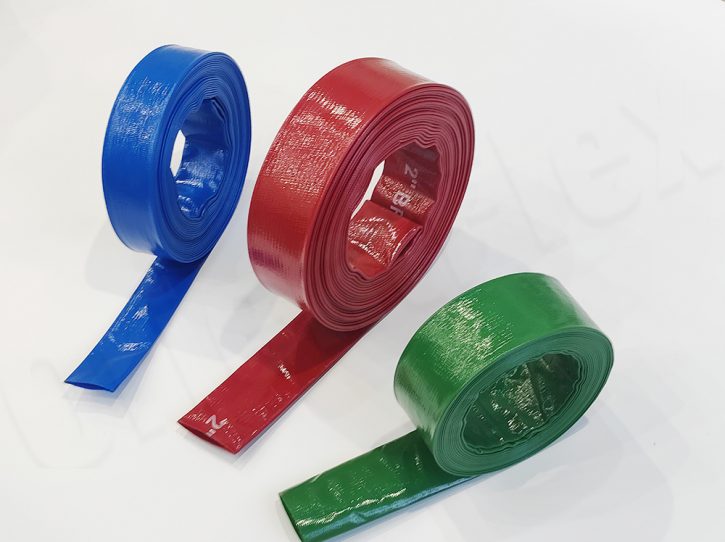
How to Repair a Damaged Layflat Water Hose

1. Prepare Tools and Materials First Gather essential items before fixing the layflat hose. You’ll need a sharp utility knife, sandpaper (80-120 grit), layflat hose repair tape or a repair patch, and a clean cloth. Wipe the damaged area of the layflat hose with the cloth to remove dirt, sand, or water—this ensures better adhesion…
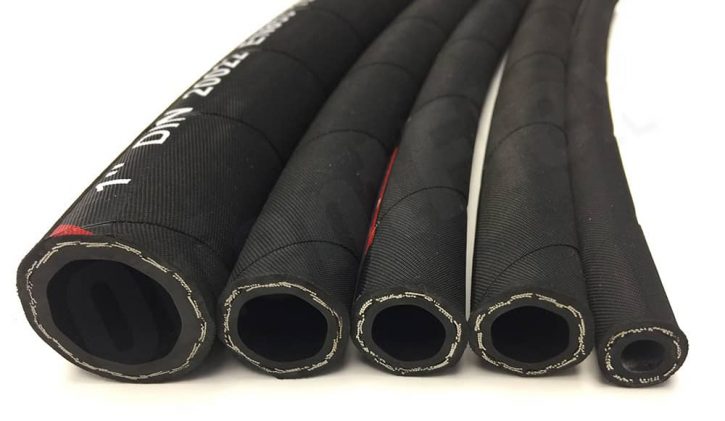
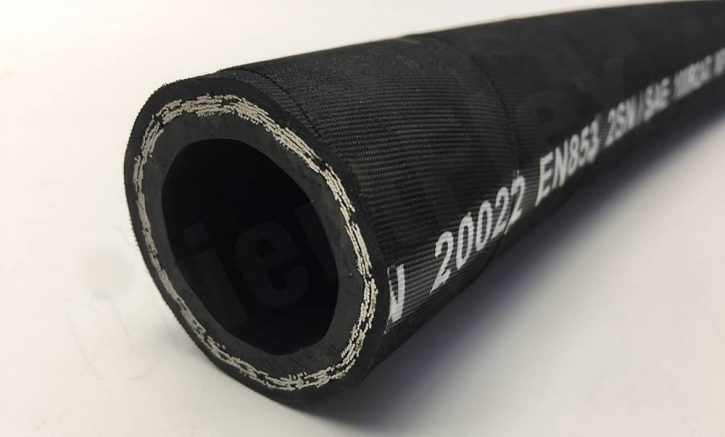
How to protect your hydraulic hose

1. Avoid Overbending the Hydraulic Hose First, never bend the hydraulic hose beyond its recommended radius. Check the manufacturer’s guidelines—each hydraulic hose has a minimum bend limit. Overbending crushes internal layers, blocks fluid flow, and causes leaks over time. Use hose supports or clamps to keep the hydraulic hose in a natural, unbent position during…

How To Protect Hydraulic Hose From Leakage

1. Choose the Right Hydraulic Hose for Pressure Needs First, pick a hydraulic hose that matches your system’s pressure rating. Never use a hose with a lower pressure limit than your equipment requires. Excess pressure stretches the hydraulic hose’s internal layers, creating tiny gaps that cause leaks. Check the hose’s label or manufacturer specs to…

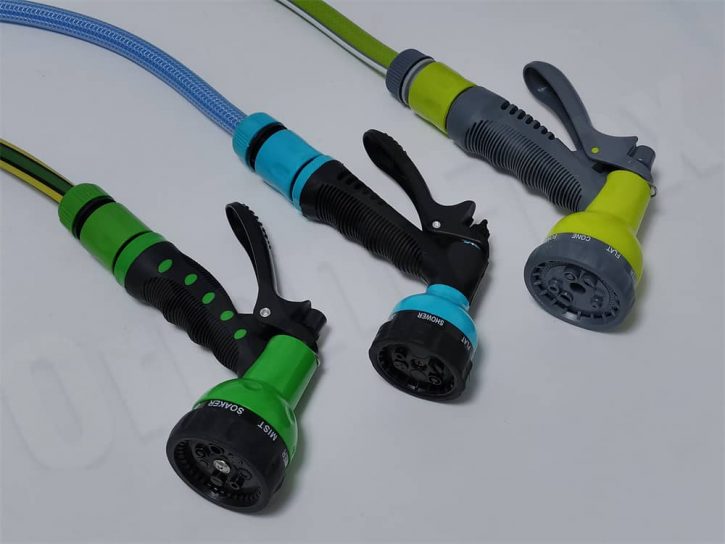
How to Maintain Your PVC Garden Hose​

1. Clean the Garden Hose After Each Use First, rinse the PVC garden hose thoroughly after every use. Use clean water to flush out dirt, grass clippings, or fertilizer residues from the inside and outside. For sticky debris, wipe the hose with a soft cloth—avoid harsh brushes that scratch the PVC surface. Dry the garden…

Why there is terrible smell on rubber hose

1. Rubber Hose Material Ingredients Cause Initial Odor Many rubber hoses smell bad because of their raw materials and additives. Natural rubber or synthetic rubber often contains sulfur-based vulcanizing agents. These agents help harden the rubber during production but release a strong, rotten-egg-like smell, especially in new rubber hoses. Plasticizers and antioxidants are added to…

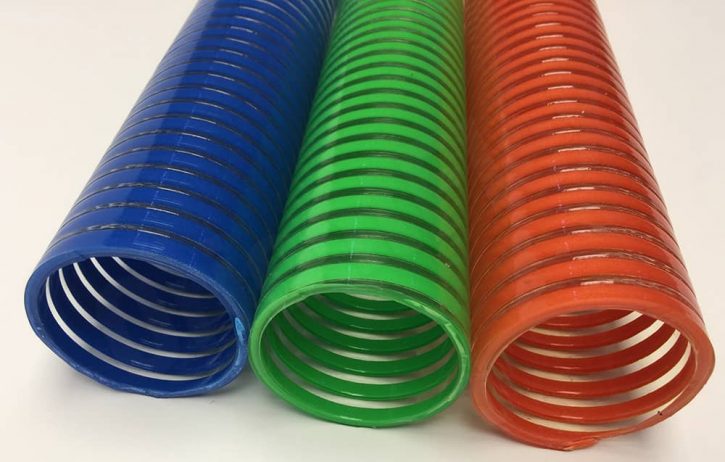
Why pvc suction hose can not suck water

1. PVC Suction Hose’s Design Limits Cause Suction Failure First, insufficient vacuum resistance stops water suction. Standard PVC suction hoses lack strong reinforcement. When you turn on the pump, the hose collapses under vacuum pressure—blocking the path for water. Only reinforced PVC suction hoses can handle vacuum; plain ones fail here. Second, small inner diameter…

Which kind of corrugated hose is to choose

1. First, Pick Corrugated Hose Material Based on Fluid/Medium The material of a corrugated hose determines its resistance to fluids, so match it to what you’ll transfer. Stainless steel corrugated hose Ideal for corrosive fluids or high-temperature media. It resists rust and handles temps up to 600℃, making it perfect for industrial pipelines or chemical…

Which kind of vacuum hose is more durable

1. Polyurethane PU Vacuum Hoses: Top for General Durability Polyurethane vacuum hoses are among the most durable for everyday use. They resist abrasion well—so they don’t tear easily when dragged across floors or concrete. PU vacuum hoses also handle temperature changes without cracking. Unlike cheaper plastic hoses, they stay flexible over time, reducing kinks that…

Where is a PVC steel wire hose used

1. Industrial Fluid Transfer Scenarios PVC steel wire hoses are widely used in industrial fluid transfer. They handle water, oil, and chemical liquids (like dilute acids) safely. Factories rely on them to move coolants between machinery parts. Their steel wire layer resists pressure, so they don’t burst even when moving high-flow fluids—this makes them more…

Why you need to inspect your fire hose regularly

Fire hoses are not permanent. Sunlight, chemicals and even regular use break down their materials. Then small cracks or leaks often start invisible. Without inspection, these issues grow. A tiny leak can reduce water pressure during a fire. This makes the hose less effective at putting out flames. Regular checks spot these problems before they…