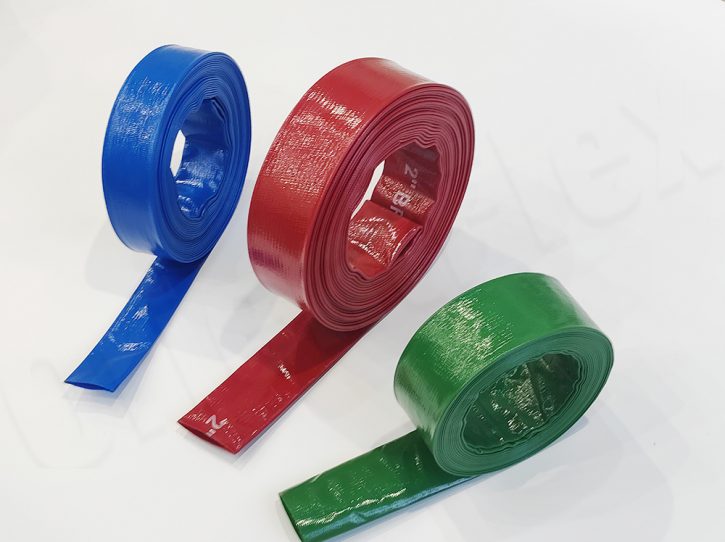
How to Repair a Damaged Layflat Water Hose

1. Prepare Tools and Materials First Gather essential items before fixing the layflat hose. You’ll need a sharp utility knife, sandpaper (80-120 grit), layflat hose repair tape or a repair patch, and a clean cloth. Wipe the damaged area of the layflat hose with the cloth to remove dirt, sand, or water—this ensures better adhesion…
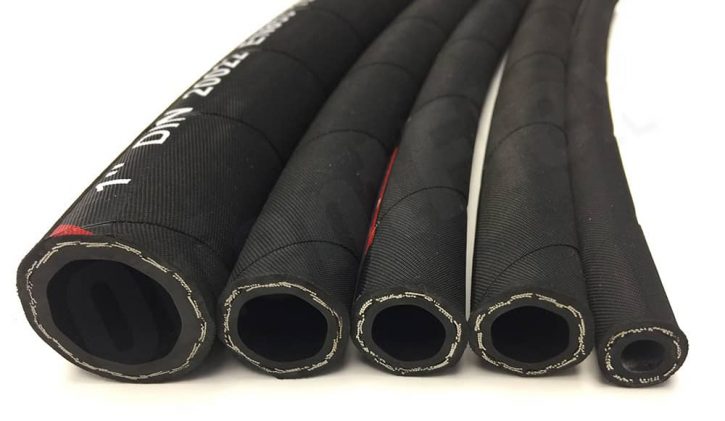
How to protect your hydraulic hose

1. Avoid Overbending the Hydraulic Hose First, never bend the hydraulic hose beyond its recommended radius. Check the manufacturer’s guidelines—each hydraulic hose has a minimum bend limit. Overbending crushes internal layers, blocks fluid flow, and causes leaks over time. Use hose supports or clamps to keep the hydraulic hose in a natural, unbent position during…

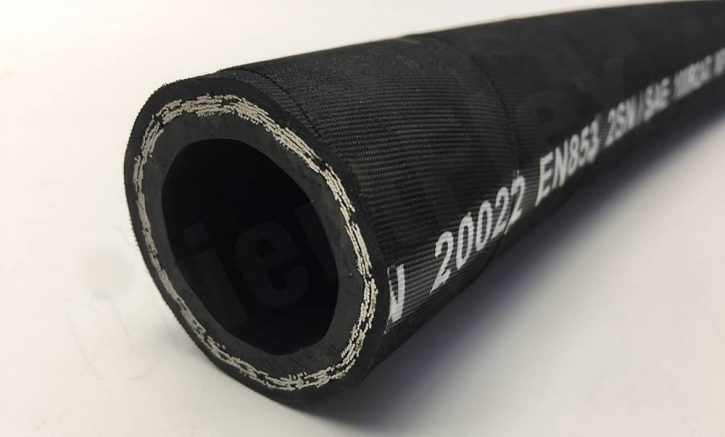
How To Protect Hydraulic Hose From Leakage

1. Choose the Right Hydraulic Hose for Pressure Needs First, pick a hydraulic hose that matches your system’s pressure rating. Never use a hose with a lower pressure limit than your equipment requires. Excess pressure stretches the hydraulic hose’s internal layers, creating tiny gaps that cause leaks. Check the hose’s label or manufacturer specs to…

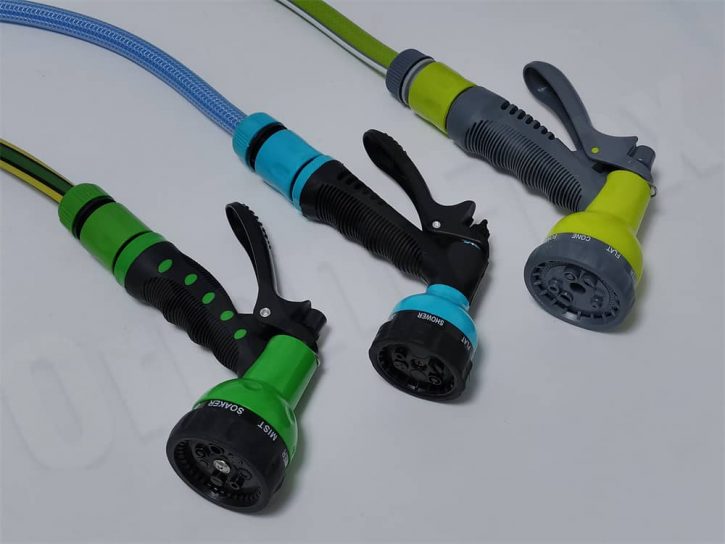
How to Maintain Your PVC Garden Hose​

1. Clean the Garden Hose After Each Use First, rinse the PVC garden hose thoroughly after every use. Use clean water to flush out dirt, grass clippings, or fertilizer residues from the inside and outside. For sticky debris, wipe the hose with a soft cloth—avoid harsh brushes that scratch the PVC surface. Dry the garden…