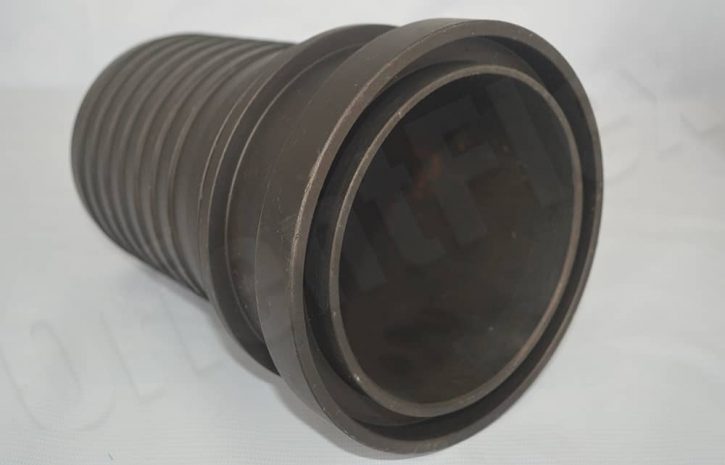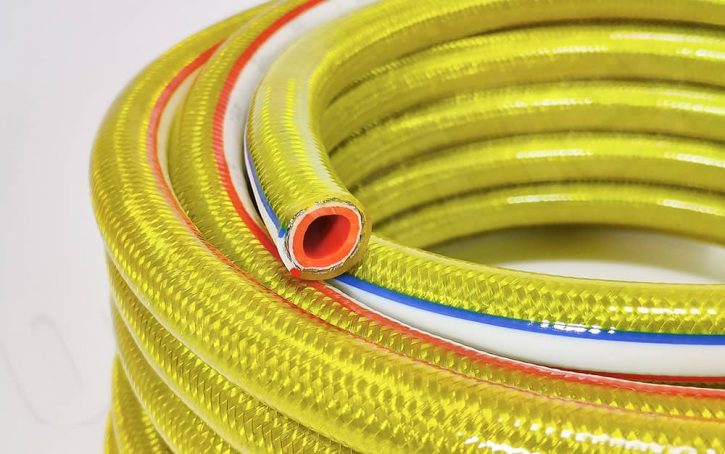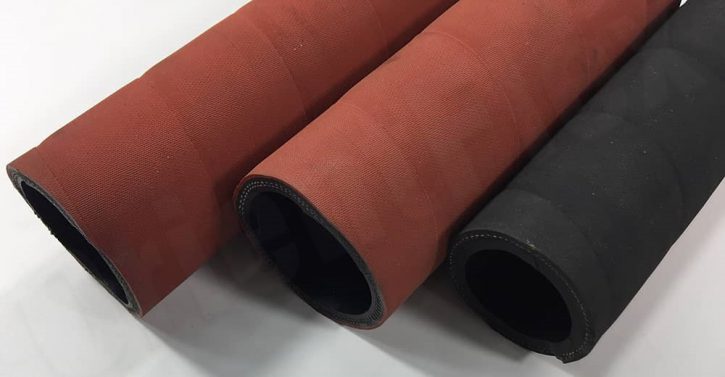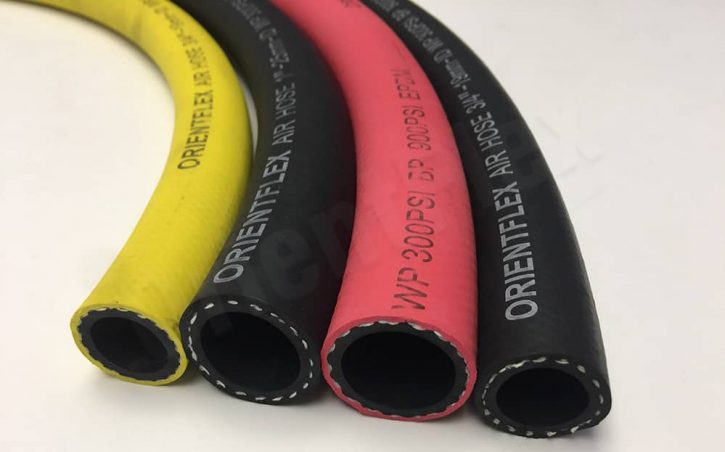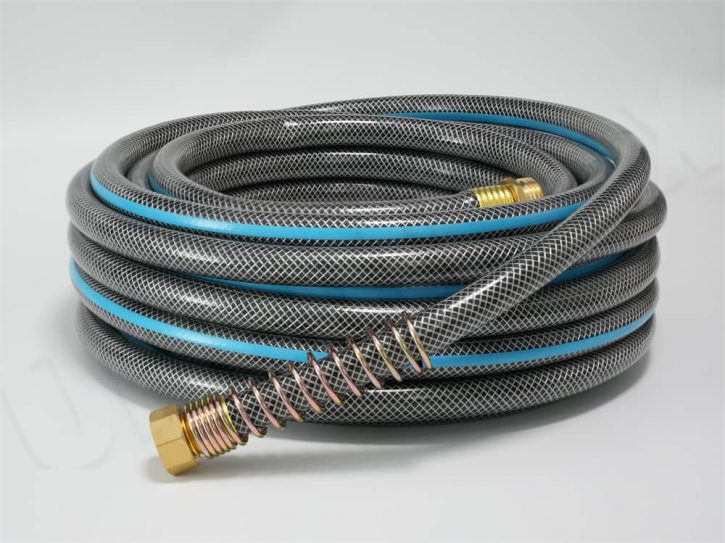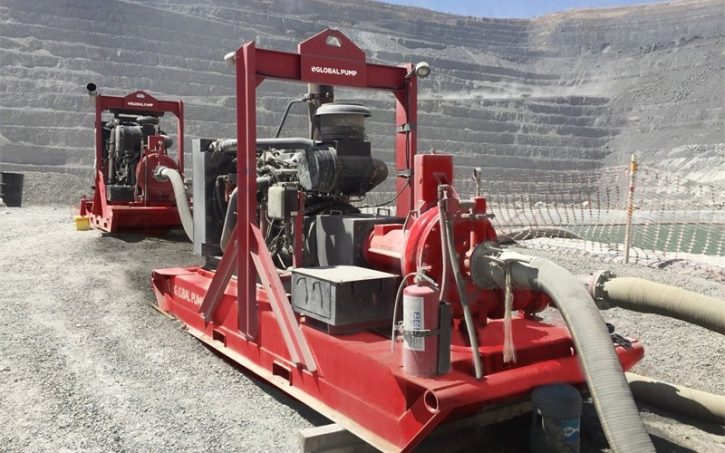
What are industrial hoses used for

1. Fluid and Chemical Transfer in Manufacturing Industrial hose serves as the backbone of fluid movement in factories. It transports oils, coolants, and lubricants to machinery. Chemical-resistant industrial hose carries acids, solvents and alkalis safely in chemical plants. Food-grade industrial hose moves edible oils, syrups, or beverages in food processing. Because it meets FDA/ISO standards…

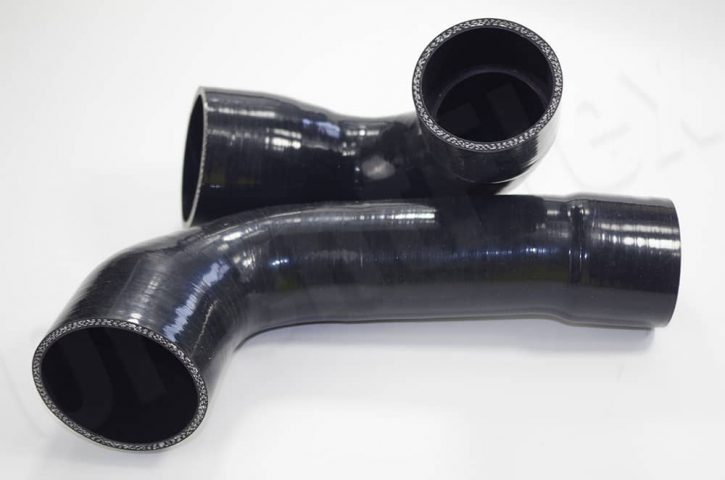
Precautions to do sewer jetting work

1. Inspect Sewer Jetting Hose Thoroughly Before Use Check the sewer jetting hose for cracks, leaks, or abrasions. Look for damaged couplings or weakened reinforcement layers. Replace worn sewer jetting hoses immediately. Because they risk rupture under high pressure. Ensure the hose’s pressure rating matches your jetter’s output. 2. Wear Full Personal Protective Equipment Sewer…

Why does radiator hose collapse when cold

1. Vacuum Buildup from a Faulty Radiator Cap The radiator cap regulates pressure in the cooling system. A worn or damaged cap fails to release vacuum as the engine cools. This vacuum pulls inward on the radiator hose, causing it to collapse. Test the cap’s pressure rating. Then replace it if it doesn’t hold the…

Key Precautions for Using a Peristaltic Pump Hose

Key Precautions for Using a Peristaltic Pump Hose A peristaltic pump hose‘s performance depends on proper use. Follow these precautions to avoid damage, leaks, or inefficiency, while maximizing the hose’s lifespan. Match the Peristaltic Pump Hose to Fluid Properties First, select a hose compatible with your fluid. Use chemical-resistant peristaltic pump hoses (e.g., PTFE, silicone)…

Will a Concrete Hose Age After a Certain Time

A concrete hose is a critical component in concrete pumping systems. Over time, every concrete hose experiences aging and wear. Understanding how and why a concrete hose ages helps improve safety and service life. Proper care also reduces unexpected hose failure. Why Concrete Hoses Age Over Time Concrete hose aging happens due to constant internal…

Which Kind of Gas Hose Is More Safe

Choosing the right gas hose is critical for safety in homes and industries. Gas leaks create serious fire and health risks. Therefore, selecting a safe gas hose reduces accidents and ensures reliable gas delivery. Rubber Gas Hose: Flexible but Limited A rubber gas hose is common in residential applications. It offers good flexibility and easy…

What Type of Hose Is Used for Gasoline

Selecting the right gasoline hose is essential for fuel safety. Gasoline is aggressive and highly flammable. Therefore, the hose must resist chemicals, pressure, and heat. A proper gasoline hose prevents leaks and vapor loss. Why Gasoline Needs a Special Hose Gasoline attacks ordinary rubber and plastic hoses. These materials can swell and crack quickly. As…

What Material Is Used in Chemical Hose

A chemical hose is designed to safely transport corrosive or reactive liquids in industrial applications. Its materials must resist chemical attack, high pressure, and temperature changes. Choosing the correct material ensures safety, durability, and performance. Inner Tube Materials The inner tube of a chemical hose comes in direct contact with chemicals. Common materials include PTFE…

What Size Garden Hose Gives the Best Pressure

Choosing the right size garden hose can significantly impact the water pressure and overall performance of your watering system. A properly sized hose ensures better water flow and optimal pressure. Here’s what you need to know about selecting the best garden hose size for maximum pressure. 1. The Impact of Hose Diameter The diameter of…