What is the Safety Factor for Hydraulic Hoses

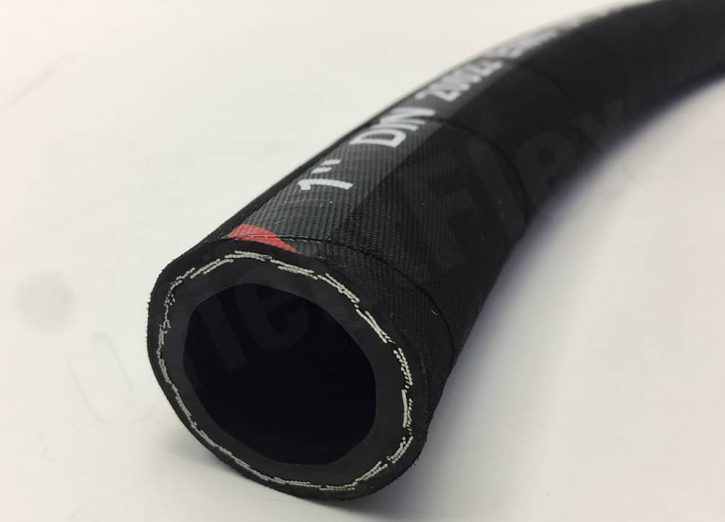
The safety factor is a crucial concept when selecting and using a hydraulic hose. It represents the margin of safety built into a hydraulic system to prevent failure under extreme conditions. Understanding the safety factor helps ensure the hydraulic hose performs reliably and safely under pressure. 1. What Is the Safety Factor? The safety factor…
Which is better PU or PVC hose

1. Durability: PU Hose Outlasts Basic PVC Hose in Most Scenarios PU hose is more durable than standard PVC hose. It resists punctures from rocks, tools, or rough terrain—critical for outdoor tasks like gardening or cleaning. A PU hose can last 2-4 years with regular use, even when dragged across uneven surfaces. Basic PVC hose,…

What is the purpose of the air hose

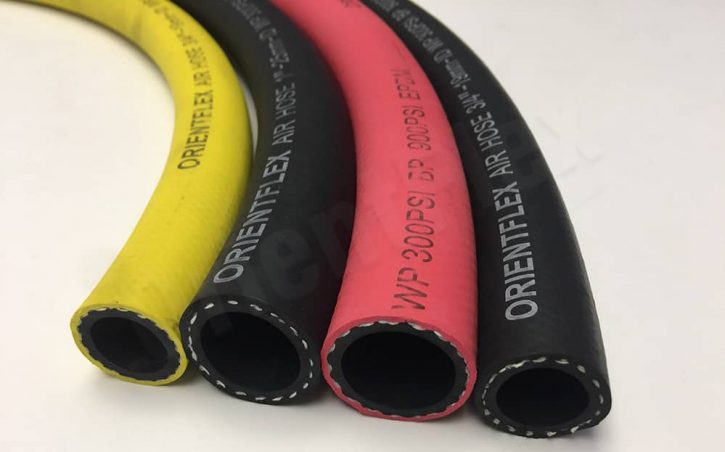
1. Deliver Compressed Air to Pneumatic Tools The primary purpose of an air hose is to deliver compressed air to pneumatic tools, powering their operation. Tools like impact wrenches, nail guns, spray guns, and air drills can’t work without a steady air supply. And an air hose acts as the critical link between the air…

What is the purpose of rubber hose

1. Transfer Fluids Safely in Daily and Industrial Use The primary purpose of a rubber hose is to transfer fluids like water, oil, chemicals, or fuel. For daily use, water rubber hoses move water from faucets to gardens, lawns, or cleaning tasks; their flexible design lets users reach plants or dirty surfaces easily. In industrial…

Why pvc suction hose collapse

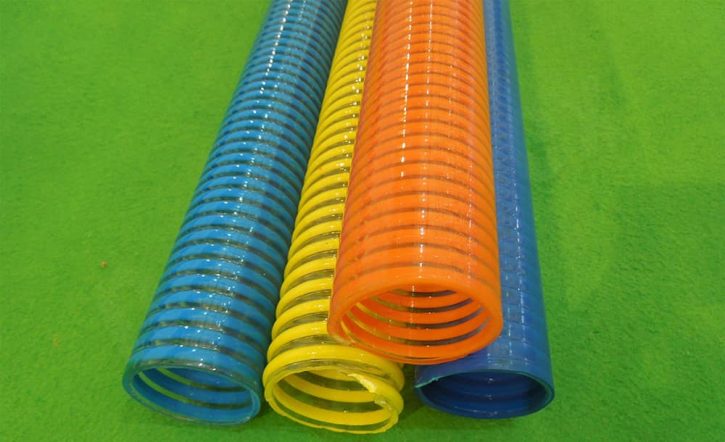
1. Insufficient Wall Thickness and Material Quality PVC suction hose relies on proper wall thickness to resist external pressure. Thin-walled hoses lack structural integrity, especially under high vacuum conditions. Low-quality PVC materials—with impure additives or poor extrusion—weaken the hose’s ability to maintain shape. When suction force exceeds the hose’s tolerance, it collapses inward quickly. Choose…

Why is polyurethane better than rubber

1. Lightweight Design: Polyurethane Beats Rubber Hose for Portability Polyurethane is far lighter than rubber, making it easier to handle than a rubber hose. A 50-foot polyurethane hose weighs just 2-3 pounds, while a similar rubber hose can weigh 8-10 pounds. This lightness cuts down on arm fatigue when dragging the hose across gardens or…

Which layflat hose is the best for irrigation

1. PVC Layflat Hose: Budget-Friendly Irrigation Workhorse PVC layflat hose stands out as a top pick for cost-conscious irrigation. It’s lightweight, easy to roll and carry across fields. This layflat hose resists UV rays and water pressure well. Thus it is ideal for small to medium farms or residential gardens. It handles standard irrigation flow…

What cause concrete hose blocked

Concrete hoses are vital for pumping ready-mix concrete to construction sites. Blockages disrupt work, damage equipment, and waste material. Understanding what causes concrete hose clogs helps workers avoid costly delays. Most issues stem from improper use or material problems. Top Causes of Concrete Hose Blockage First, concrete mix inconsistency leads to clogs. Too dry concrete…

What are the two major problems in concrete pumping works

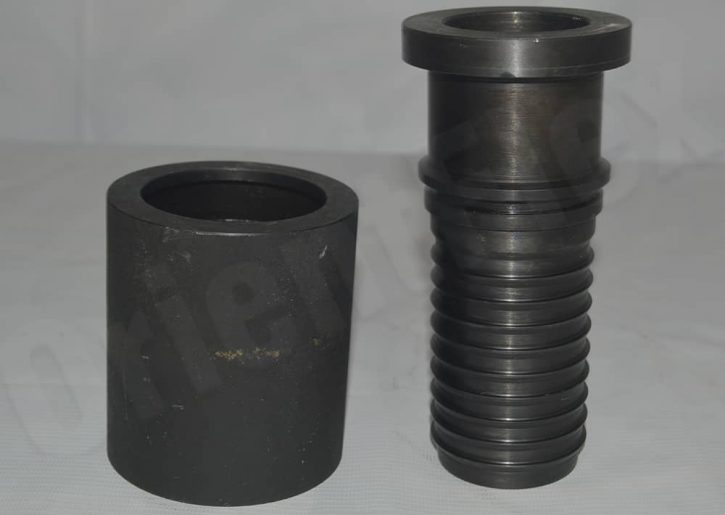
Concrete pumping relies on seamless coordination between equipment, materials, and technique. Two major problems consistently plague worksites: concrete hose blockages and inconsistent concrete flow. These issues delay projects, waste resources, and damage concrete pumping systems, especially the critical concrete hose. 1. Concrete Hose Blockage: The Most Common Culprit Concrete hose blockage tops the list of…