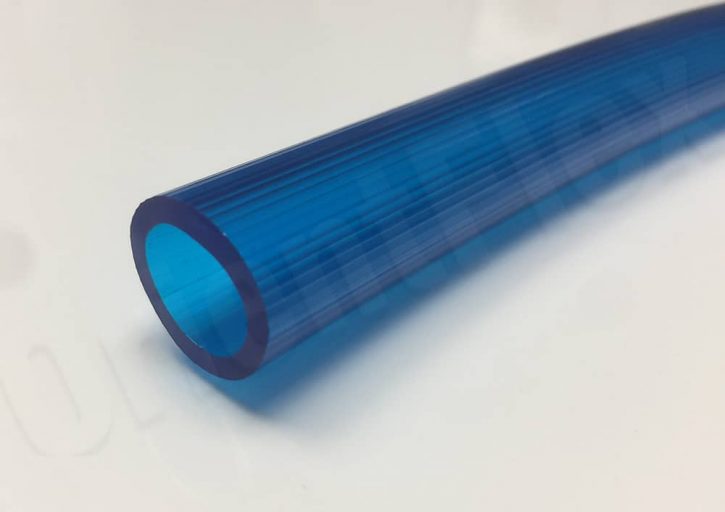
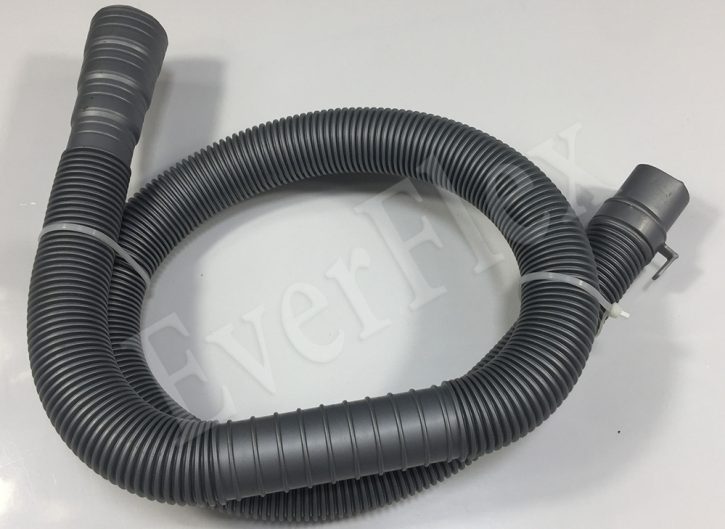
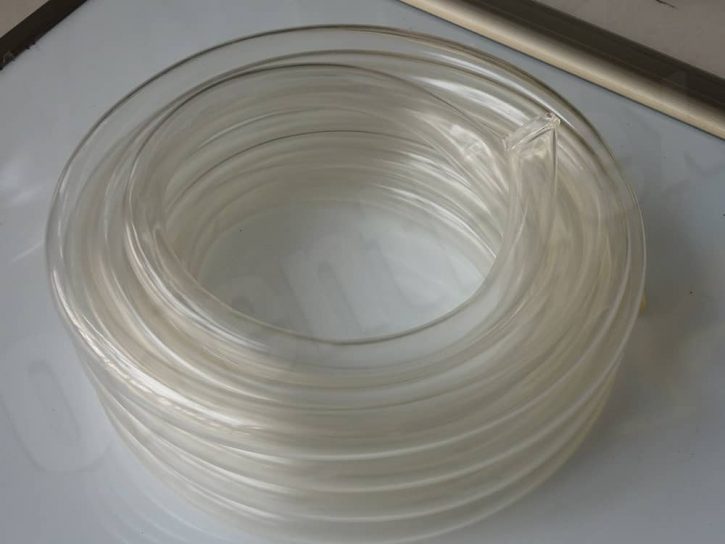
Why you need to inspect your fire hose regularly

Fire hoses are not permanent. Sunlight, chemicals and even regular use break down their materials. Then small cracks or leaks often start invisible. Without inspection, these issues grow. A tiny leak can reduce water pressure during a fire. This makes the hose less effective at putting out flames. Regular checks spot these problems before they…
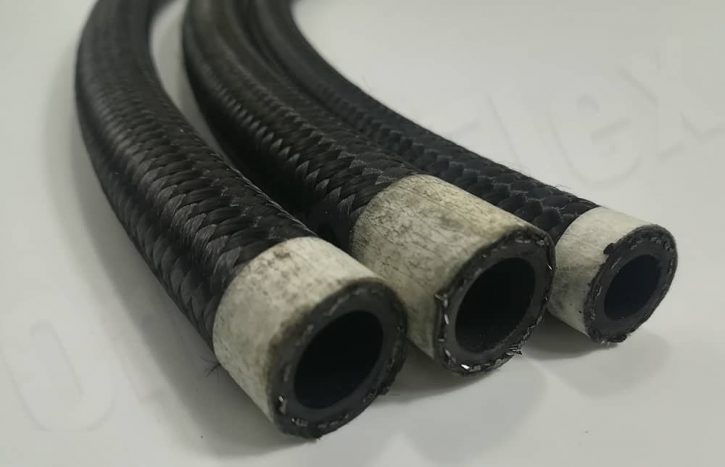
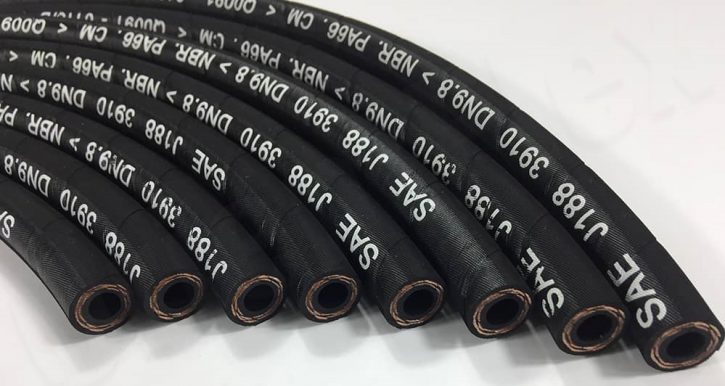
Where and Why is Flexible Rubber Hose Used on an Automobile

Flexible rubber automobile hoses are vital for connecting components across key car systems. Their flexibility, durability, and resistance to fluids/heat make them irreplaceable. Below are their main locations and the reasons behind their use. 1. Engine Cooling System: Prevent Overheating First, flexible rubber automobile hoses sit in the engine cooling system. They connect the radiator…

What’s the lifespan of air hose

An air hose‘s lifespan usually ranges from 1 to 5 years, but this varies widely. Key factors like material, usage habits, and maintenance directly shape how long your air hose stays functional. Below is a breakdown of these factors and how they impact durability. 1. Material: The Base of Air Hose Longevity First, the air…

Why it needs a food grade hose in dairy factory

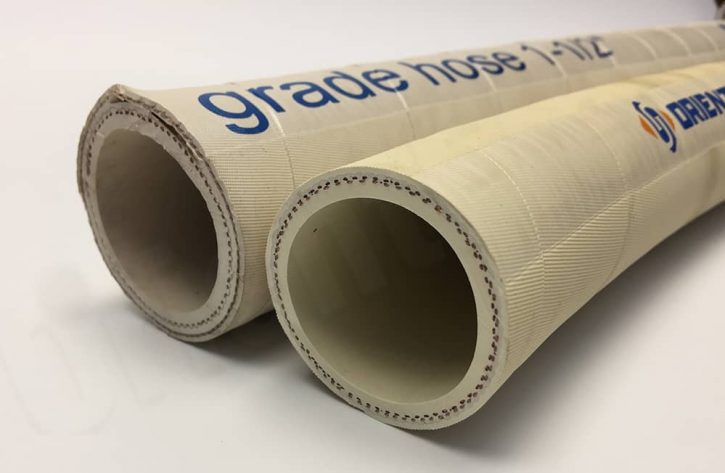
Using food-grade hoses in dairy factories is non-negotiable. Because it’s the only way to prevent product contamination and comply with safety standards. Then it can ensure dairy products stay safe for consumption. 1. Prevent Contamination of Dairy Products Dairy is highly perishable and a perfect breeding ground for bacteria. Non-food-grade hoses pose critical risks: Material…

Will pvc layflat hose stick at high temperature

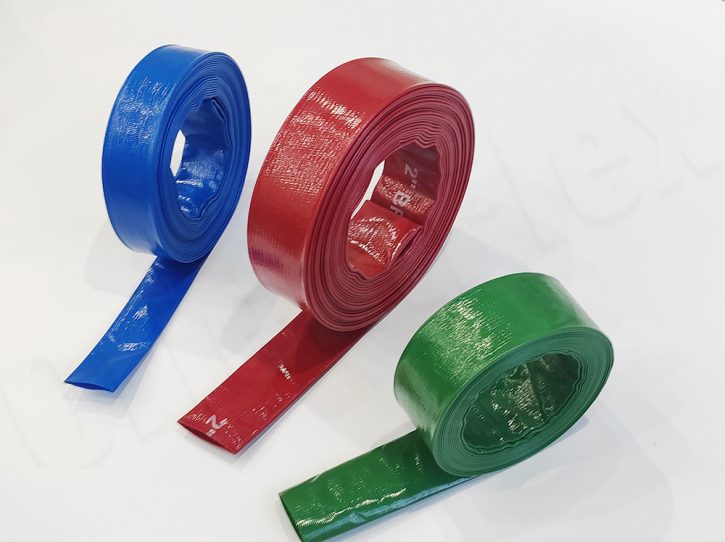
Ordinary PVC layflat hoses often stick at high temperatures. While the reason lies in their material. PVC relies on plasticizers to stay flexible. When temperatures rise, these plasticizers migrate to the hose surface. This migration creates a sticky film that can make the PVC lay flat hose adhere to itself, equipment, or other surfaces. Critical…

Which kind of food hose is more safe

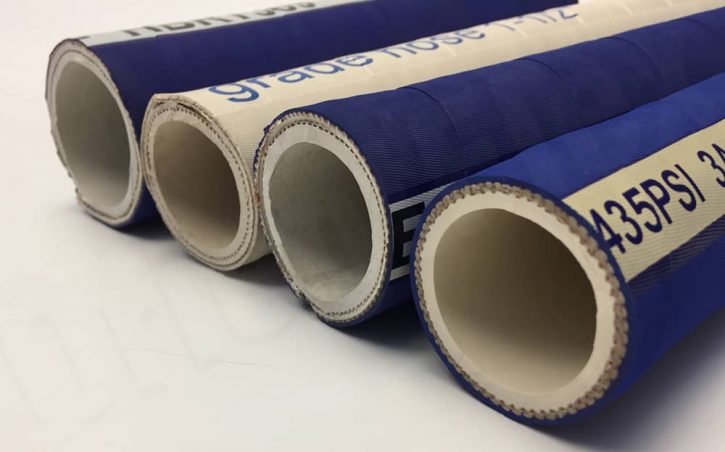
Choosing a safe food hose starts with two core factors: material safety and compliance with standards. Not all food hoses are equal—some materials and certifications make a food safe hose stand out. 1. Silicone Food Hoses: Top for Heat and Purity Silicone food hoses are among the safest options for most food facilities. They resist…

Methods to check a hose if it leaks

Flexible hoses often leak due to material aging, wear, physical damage, or loose joints. Catching these leaks early prevents safety hazards and equipment damage. Below are five reliable ways to check for leaks in your flexible hose. 1. Visual Inspection Start by examining the flexible hose’s surface closely. Look for obvious cracks, wear marks, or…

vacuum cleaner hose

What to consider when choosing a vacuum hose

Vacuum hoses are critical for vacuum extraction equipment, but choosing the right one depends on your specific needs. Below are five essential factors to consider when selecting a vacuum hose. 1. Match the Vacuum Extraction Equipment Type & Performance Needs Different vacuum equipment demands different vacuum hoses. For household vacuum cleaners, pick a vacuum hose…

How to prevent PVC hose turning yellow

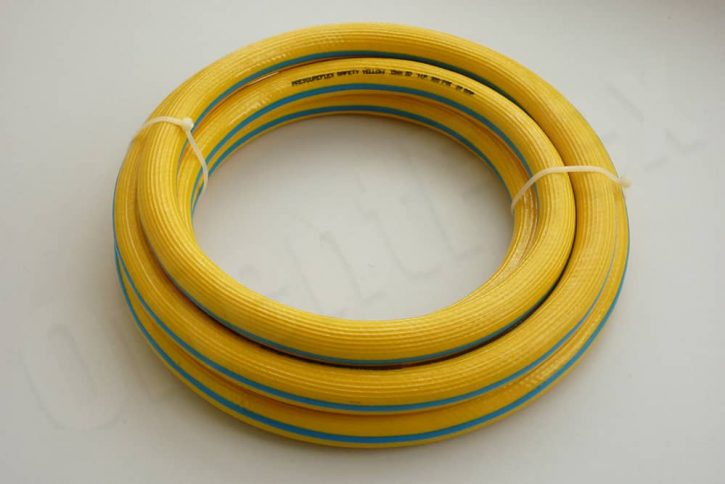
PVC hoses are widely used in industries like agriculture, construction, and automotive—but their lifespan depends on proper use and production. Below are five critical tips to protect PVC hoses from damage and ensure their performance. Each tip targets common issues that shorten PVC hose life, from UV damage to chemical contamination. 1. Avoid Prolonged Sunlight…