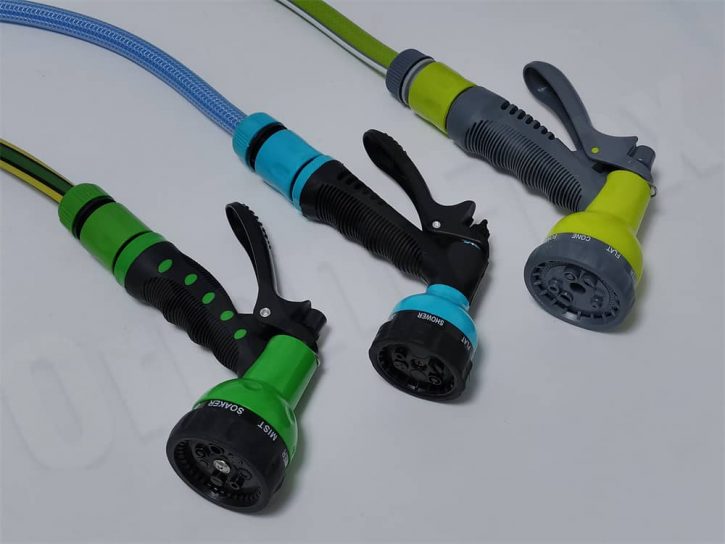
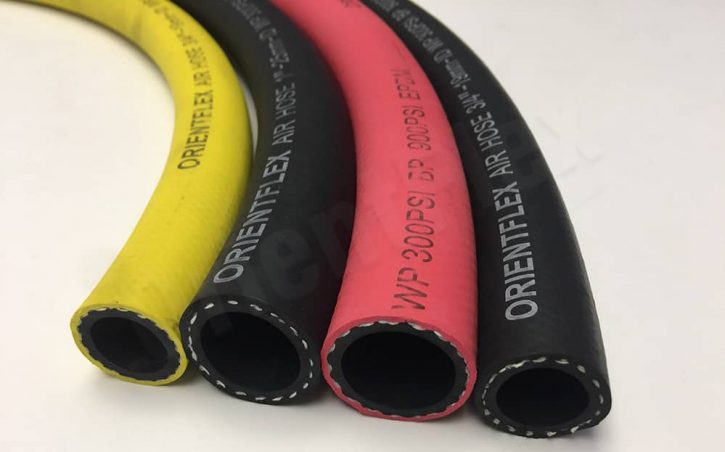
Why is polyurethane better than rubber

1. Lightweight Design: Polyurethane Beats Rubber Hose for Portability Polyurethane is far lighter than rubber, making it easier to handle than a rubber hose. A 50-foot polyurethane hose weighs just 2-3 pounds, while a similar rubber hose can weigh 8-10 pounds. This lightness cuts down on arm fatigue when dragging the hose across gardens or…
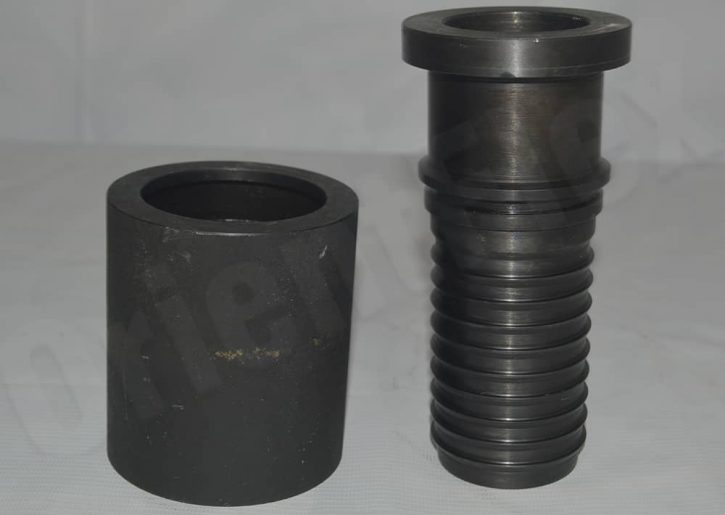
Which layflat hose is the best for irrigation

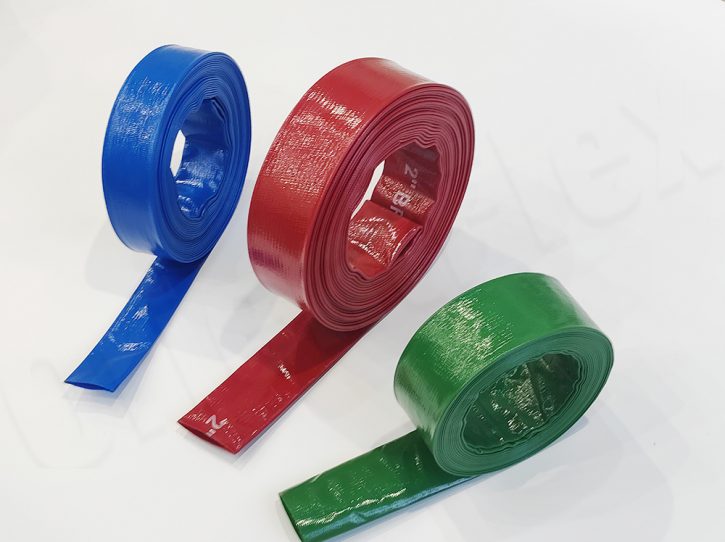
1. PVC Layflat Hose: Budget-Friendly Irrigation Workhorse PVC layflat hose stands out as a top pick for cost-conscious irrigation. It’s lightweight, easy to roll and carry across fields. This layflat hose resists UV rays and water pressure well. Thus it is ideal for small to medium farms or residential gardens. It handles standard irrigation flow…

What cause concrete hose blocked

Concrete hoses are vital for pumping ready-mix concrete to construction sites. Blockages disrupt work, damage equipment, and waste material. Understanding what causes concrete hose clogs helps workers avoid costly delays. Most issues stem from improper use or material problems. Top Causes of Concrete Hose Blockage First, concrete mix inconsistency leads to clogs. Too dry concrete…

What are the two major problems in concrete pumping works

Concrete pumping relies on seamless coordination between equipment, materials, and technique. Two major problems consistently plague worksites: concrete hose blockages and inconsistent concrete flow. These issues delay projects, waste resources, and damage concrete pumping systems, especially the critical concrete hose. 1. Concrete Hose Blockage: The Most Common Culprit Concrete hose blockage tops the list of…

Keep safe when doing sand blasting work

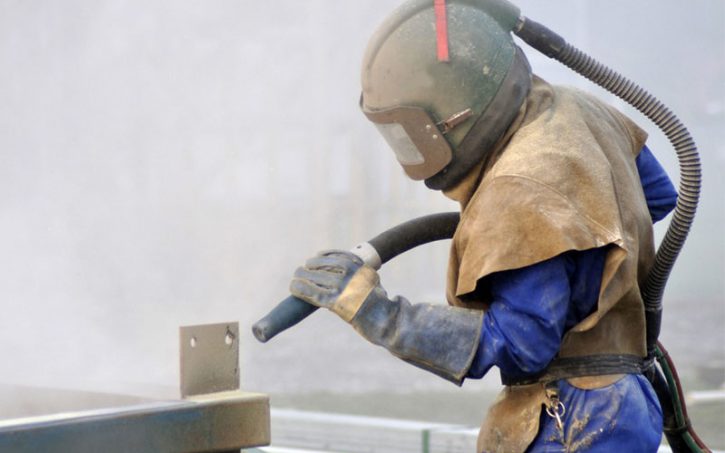
Before starting sandblasting, check your sandblast hose thoroughly. Look for cracks, bulges, or worn areas on the hose surface—these flaws can cause sudden leaks or bursts. Also, examine hose fittings and connections; loose parts often lead to abrasive spills or pressure loss. Replace any damaged sandblast hose immediately to avoid accidents. Wear Proper Protective Gear…

How to Repair a Damaged Layflat Water Hose

1. Prepare Tools and Materials First Gather essential items before fixing the layflat hose. You’ll need a sharp utility knife, sandpaper (80-120 grit), layflat hose repair tape or a repair patch, and a clean cloth. Wipe the damaged area of the layflat hose with the cloth to remove dirt, sand, or water—this ensures better adhesion…

How to protect your hydraulic hose

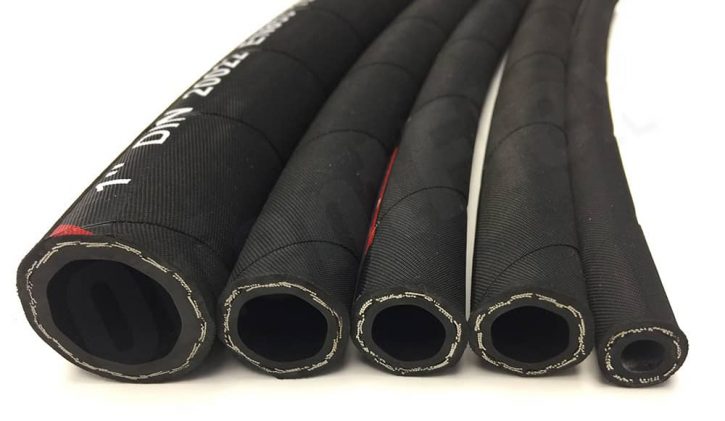
1. Avoid Overbending the Hydraulic Hose First, never bend the hydraulic hose beyond its recommended radius. Check the manufacturer’s guidelines—each hydraulic hose has a minimum bend limit. Overbending crushes internal layers, blocks fluid flow, and causes leaks over time. Use hose supports or clamps to keep the hydraulic hose in a natural, unbent position during…

How To Protect Hydraulic Hose From Leakage

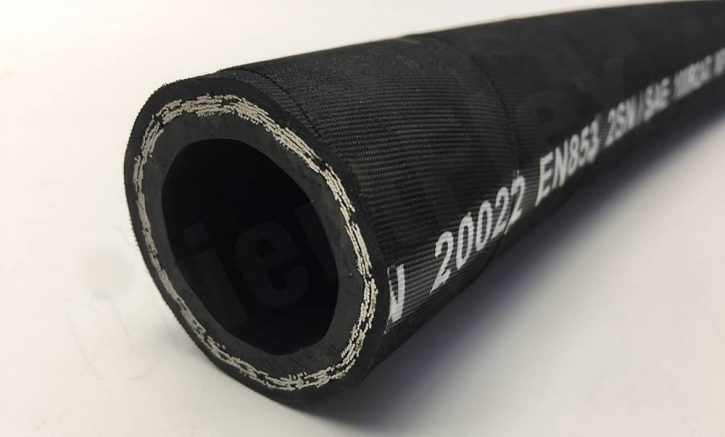
1. Choose the Right Hydraulic Hose for Pressure Needs First, pick a hydraulic hose that matches your system’s pressure rating. Never use a hose with a lower pressure limit than your equipment requires. Excess pressure stretches the hydraulic hose’s internal layers, creating tiny gaps that cause leaks. Check the hose’s label or manufacturer specs to…

How to Maintain Your PVC Garden Hose​

1. Clean the Garden Hose After Each Use First, rinse the PVC garden hose thoroughly after every use. Use clean water to flush out dirt, grass clippings, or fertilizer residues from the inside and outside. For sticky debris, wipe the hose with a soft cloth—avoid harsh brushes that scratch the PVC surface. Dry the garden…

Why there is terrible smell on rubber hose

1. Rubber Hose Material Ingredients Cause Initial Odor Many rubber hoses smell bad because of their raw materials and additives. Natural rubber or synthetic rubber often contains sulfur-based vulcanizing agents. These agents help harden the rubber during production but release a strong, rotten-egg-like smell, especially in new rubber hoses. Plasticizers and antioxidants are added to…